Skip to content

Cecotec BigDry 2000 vs Bosch Dry 4000

Is this a wardrobe-and-caravan problem, or a whole-room damp problem?

These two are not sized for the same job, and the published figures make that plain immediately — a fortyfold gap in rated extraction between them.

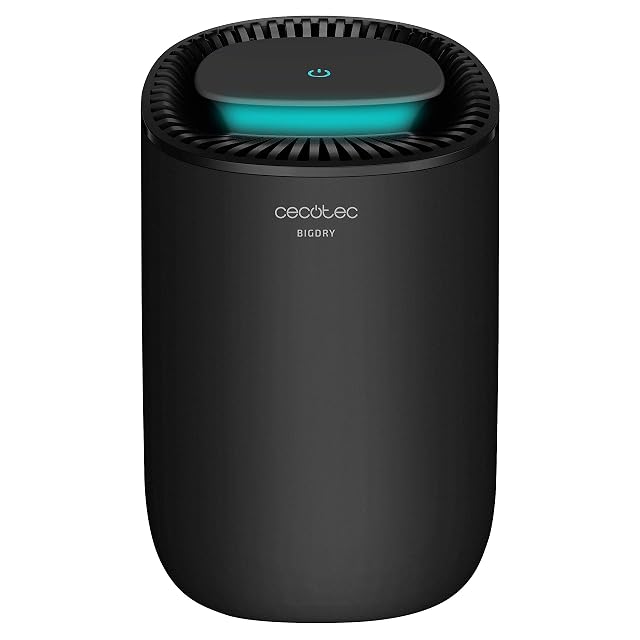
Cecotec BigDry 2000 compact dehumidifier with removable 0.6 liter tank

Cecotec BigDry 2000

7.1/10

Wins 2 of 8

Check price

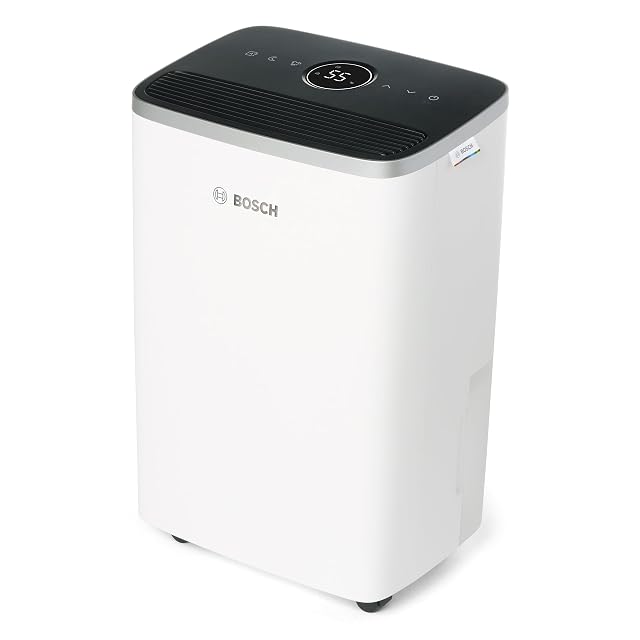
Bosch Dry 4000 dehumidifier with half-transparent 2.5 liter tank and integrated handle

Bosch Dry 4000

8.3/10

Wins 5 of 8

Check price

Row by row

Compared on BigDry 2000 Dry 4000
Rated extraction 300 ml / 24h 16 L / 24h
Room coverage (manufacturer) up to 20 m (66 ft)² up to 33 m (108 ft)²
Tank capacity 0.6 L, removable 2.5 L, half-transparent, spill-resistant
Minimum power draw 23 W Not published
Noise Not published ("very quiet", no dB figure) 38 dB
Control Automatic shutoff when tank is full — no mode selection 3 modes: Auto, Night, Laundry
Continuous drain option Not published Not published
Price ≈ 37 € ≈ 224 €
Listed on amazon.com Yes Yes

A tick marks the better answer on that line only. Counting ticks does not decide the page — the two verdicts below do, because these products answer different questions.

Who should take which

Buy the BigDry 2000

Take the Cecotec for a wardrobe, a caravan, a car, or another small enclosed space with light, occasional condensation. At 300 ml/24h it will not keep up with a persistently damp room, and it doesn't pretend to.

Buy the Dry 4000

Take the Bosch for an actual damp room — a cellar, a bathroom, a room with condensation on the windows most mornings. 16 L/24h and coverage up to 33 m (108 ft)² put it in a different class entirely, at a price to match.

The questions that keep coming up

Does the Cecotec use a compressor?

Not stated on any of the four listings we checked. Its 23 W minimum draw is well below what a compressor unit typically needs, which points toward a thermoelectric (Peltier) design, but Cecotec never names the technology, so we're not stating it as confirmed.

Is 16 L/24h directly comparable between dehumidifiers?

Only loosely. Manufacturers measure extraction at a reference temperature and humidity they rarely publish — commonly a warm, already-damp test room. A dehumidifier rated at 16 L/24h in that reference condition will extract noticeably less in a cool 18 °C (64 °F) bedroom.

Each one in full

  • Cecotec BigDry 2000

    300 ml/24h · 0.6 L tank · up to 20 m (66 ft)²

    A compact, low-power dehumidifier rated by Cecotec at 300 ml of water removed per 24 hours, for rooms up to 20 m (66 ft)². A removable 0.6 L tank, automatic shutoff when full, a carry handle and a minimum stated consumption of 23 W make it a light standby unit rather than a room-by-room appliance.

    Best for: A single small room, a wardrobe, a caravan or a car — somewhere a cheap standby unit against light condensation is enough, not a damp cellar or a family bathroom.

    7.1/10

  • Bosch Dry 4000

    16 L/24h · 2.5 L tank · 3 automated modes

    A compressor dehumidifier from Bosch rated at 16 liters removed per 24 hours for rooms up to 33 m (108 ft)², with a half-transparent 2.5 L tank, three automated modes (Auto, Night, Laundry) called 'Easy Dry Select,' a stated 38 dB noise level, an integrated handle and castors. Bosch does not publish WiFi or app control for this model.

    Best for: Buyers who want a known appliance brand and simple mode-based control rather than a numeric humidity dial, and who don't need app control or continuous drainage.

    8.3/10

Prices quoted in these summaries are dated readings. The live price is shown next to each product.