Skip to content

Levoit Core 300S vs DREO Cruiser Pro T1

Does the room need cleaner air, or does it just need air moving?

This comparison exists because the two get confused more often than the spec sheets suggest they should. A purifier filters what's already in the air; a fan moves it — and buying one expecting the other's result is the single most common mix-up on this site.

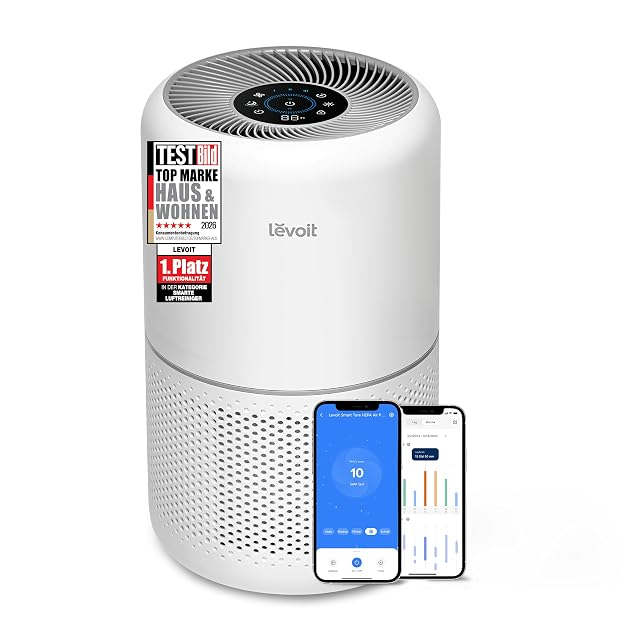
Levoit Core 300S air purifier with laser sensor ring lit up

Levoit Core 300S

7.6/10

Wins 4 of 7

Check price

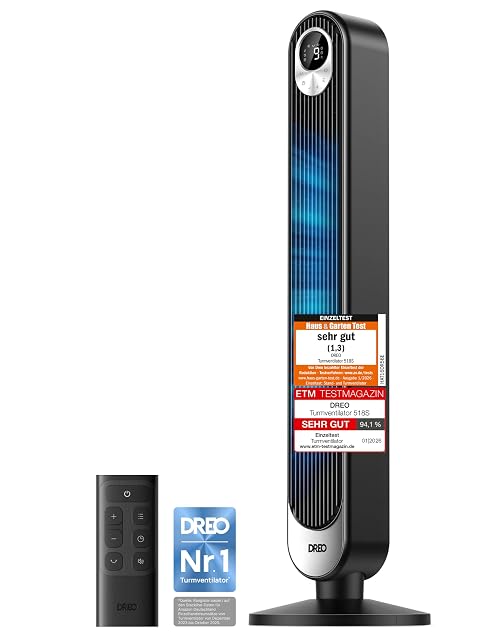
DREO Cruiser Pro T1 tower fan, black, standing on its base

DREO Cruiser Pro T1

7.8/10

Wins 2 of 7

Check price

≈ $90

Row by row

Compared on Core 300S Cruiser Pro T1
Filters particulates Yes — 3-in-1 True HEPA + activated carbon No filtration of any kind
CADR 195 m (640 ft)³/h Not applicable — not a purifier
Moves air across skin (cooling sensation) Not designed for this Yes — 9 speeds, 4 modes
Noise, quietest setting 22 dB (sleep mode) Disputed: 20 dB (UK) or 28 dB (ES)
Auto mode Yes — laser sensor adjusts fan speed to measured particulates Auto mode present, not tied to air-quality sensing
Filter replacement needed Yes — every 6–8 months, per Levoit No — no filter to replace
Price ≈ 127 € ≈ 100 €
Listed on amazon.com Yes Yes

A tick marks the better answer on that line only. Counting ticks does not decide the page — the two verdicts below do, because these products answer different questions.

Who should take which

Buy the Core 300S

Take the Levoit if the actual goal is cleaner air — dust, pet dander, smoke particulates. Its laser sensor and auto mode respond to measured air quality, which a fan cannot do because it has nothing to measure or filter.

Buy the Cruiser Pro T1

Take the DREO if the actual goal is a cooling breeze or moving stale air around a room. It will not remove particulates from the air at any speed — that is simply not what a fan does, however powerful.

The questions that keep coming up

Will a fan improve air quality?

It moves air and can help ventilation if it's pulling in fresher air from elsewhere, but it does not filter or remove particulates, allergens or odors from the air passing through it. A purifier's HEPA filter is the component that actually captures particles.

Does the Levoit purifier also cool a room like a fan?

Not meaningfully. It moves air through its filter at a rate suited to filtration (measured in CADR, not airflow speed), not at the volume or direct-throw distance a dedicated fan like the DREO Cruiser Pro T1 is built to produce.

Each one in full

  • Levoit Core 300S

    195 m (640 ft)³/h CADR · laser sensor · 22 dB sleep mode

    Levoit rates the Core 300S at 195 m (640 ft)³/h CADR with a laser particle sensor that drives an automatic mode and a four-color air-quality ring. Sleep mode is published at 22 dB, and the filter accepts three optional specialty cartridges for pet odor, mold spores or vehicle exhaust.

    Best for: A living room or bedroom where automatic speed adjustment and a quiet sleep mode matter, and where the household wants the option to swap in a specialty filter later.

    7.6/10

  • DREO Cruiser Pro T1

    DC motor · 106 cm (41.7 in) · 9 speeds, 4 modes · 90° oscillation, 12h timer

    A 106 cm (41.7 in) DC-motor tower fan with 9 speeds and 4 modes (Normal, Natural, Auto, Sleep), a 90° oscillation angle, and a 12-hour timer — the longest timer and finest speed control in this comparison. DREO states an 8.53 m (28 ft)/s air-discharge speed and an 11 m (36 ft) wind-throw distance, but publishes two different noise figures — 20 dB on one market, 28 dB on another — for the same ASIN.

    Best for: A bedroom or living room where fine speed control (9 steps) and the longest timer in this comparison matter more than height adjustment or a folding design.

    7.8/10

    ≈ $90

Prices quoted in these summaries are dated readings. The live price is shown next to each product.