What can be cleaned, and what can’t
Most purifiers separate a washable pre-filter — which catches larger debris like hair and dust — from the HEPA media itself, which shouldn’t be washed or vacuumed. Check your specific model’s manual before cleaning anything, since designs vary.
CADR degrades before the fan tells you
A clogging filter reduces airflow gradually, not suddenly — the purifier keeps running and rarely gives a clear warning as its effective CADR drops. Relying on “it still sounds like it’s working” is how a filter ends up months overdue.
Set a reminder at purchase, not at the first sign of trouble
The stated 6-to-12-month interval is the only reliable signal most purifiers give, since visible dirt on the filter isn’t always obvious from outside the housing. A calendar reminder set when the unit is new is more reliable than waiting to notice reduced performance.
Match the replacement to your actual model
HEPA filters are cut to a specific housing — a filter a few millimeters out won’t seat properly. Check the compatible-model list published by the filter’s maker, whether it’s the purifier’s own manufacturer or a third party, before ordering.
What we would not do
Keep a purifier running with an overdue filter just because it still turns on. A purifier with a spent filter is, functionally, an expensive fan — running it that way for months defeats the reason it was bought.
The questions that keep coming up
Can I vacuum or rinse a HEPA filter to make it last longer?
Not the HEPA media itself — vacuuming or rinsing damages the fine filtration layer and reduces its effectiveness rather than restoring it. Some purifiers have a separate, washable pre-filter for larger debris; check your manual for which parts, if any, are meant to be cleaned.
How do I know when it actually needs replacing?
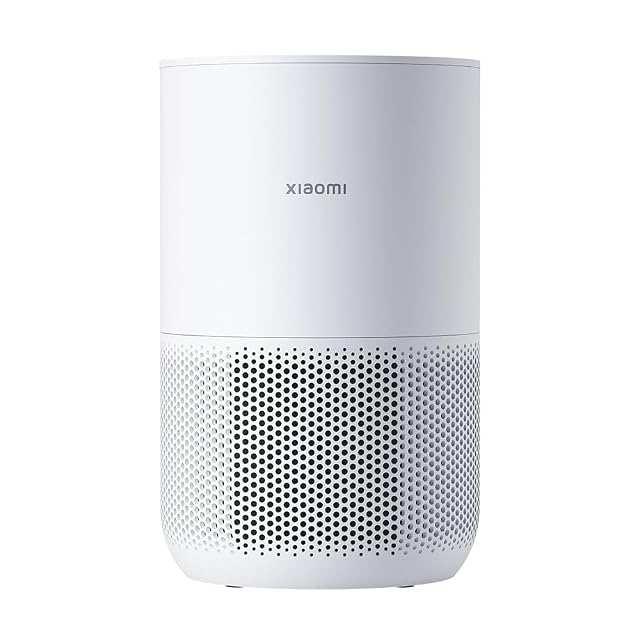
Follow the manufacturer's stated interval — commonly 6 to 12 months depending on use — and any on-device tracker, like the countdown on the Xiaomi Smart Air Purifier 4 Compact's display. A visibly grey or dark filter, or a noticeable drop in airflow, are signs it's overdue regardless of the calendar.
Last reviewed 24 August 2026