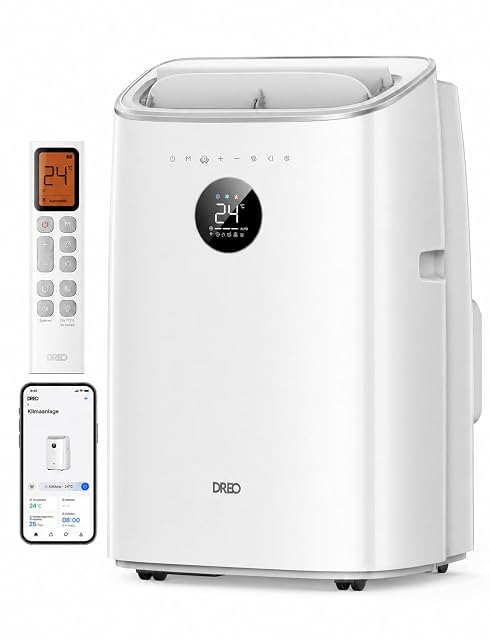
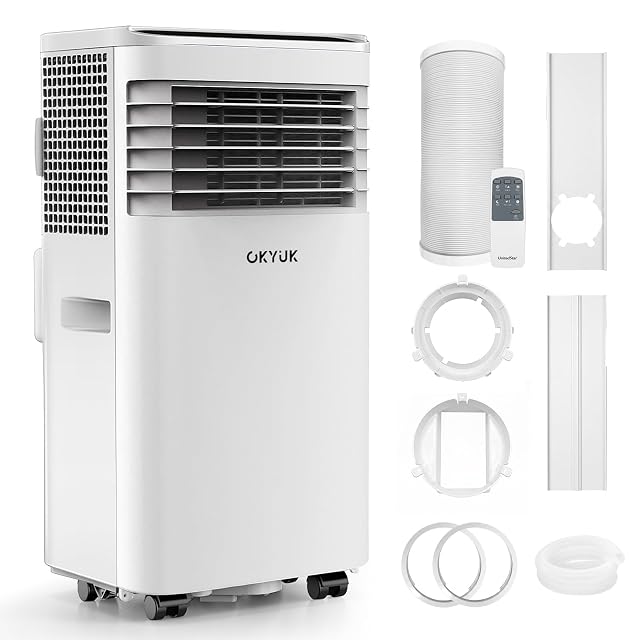
The intake filter is the easy, frequent job
Nearly every portable AC has a removable intake filter designed to be pulled out, rinsed or vacuumed, and dried before refitting. A clogged filter restricts airflow across the coil, which reduces cooling capacity and makes the compressor run longer for the same result.
What reduced airflow actually costs
A unit fighting a dirty filter doesn’t just cool more slowly — it runs its compressor for longer stretches to reach the same setpoint, using more electricity for less comfort. A five-minute filter rinse is the cheapest performance fix available on any unit in this family.
Coils are a lighter-touch job
The evaporator coil sits behind the filter and can accumulate a fine layer of dust over a season even with regular filter cleaning. A soft brush attachment on a vacuum, used gently and without bending the fins, handles light buildup. Leave anything more involved to a technician.
Don’t forget the exterior vents
Dust accumulating around exterior intake and exhaust vents restricts airflow just as effectively as an internal filter, and it’s often the last place people check. A quick wipe-down as part of the same routine keeps both ends of the airflow path clear.
What we would not do
Assume a portable AC that’s “lost power” partway through summer needs replacing. In most cases across this family, restored airflow — a cleaned filter, cleared vents — recovers most of the lost performance without any repair at all.
The questions that keep coming up
How often should the filter be cleaned?
Check your specific manual, but every two to four weeks during regular use is a reasonable general habit — more often in a dusty home or one with pets. Most portable AC filters are washable rather than disposable.
Can I clean the coils myself?
Light dust on visible coil fins can usually be brushed or vacuumed gently with a soft attachment. Anything beyond that — bent fins, deep buildup, or accessing coils behind panels — is generally a job for a qualified technician rather than a DIY fix.
Last reviewed 24 August 2026