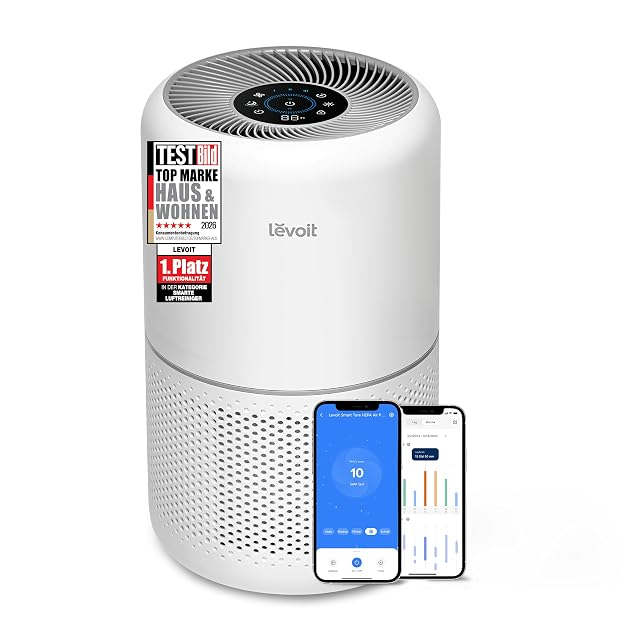
A purifier that’s “stopped working”
Almost always a spent filter rather than an electrical fault. CADR degrades gradually as a filter clogs, with no clear warning from the machine — check the filter’s age and condition before assuming anything more serious.
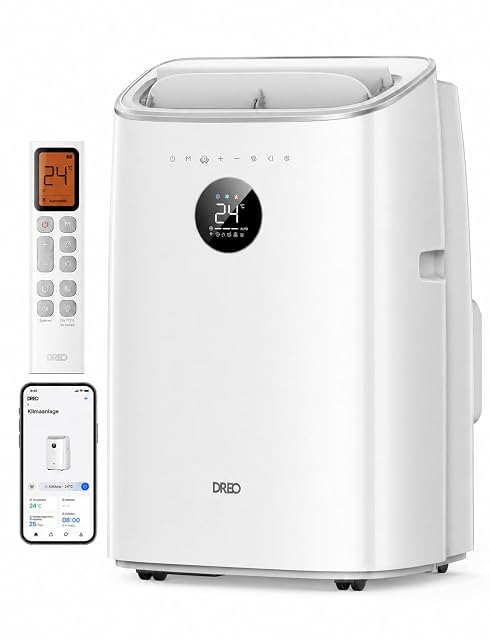
A portable AC that’s “lost its cooling power”
Usually a dirty intake filter restricting airflow across the coil, or a crushed or badly routed exhaust hose. Both are five-minute checks, and both are far more common than an actual refrigerant or compressor fault.
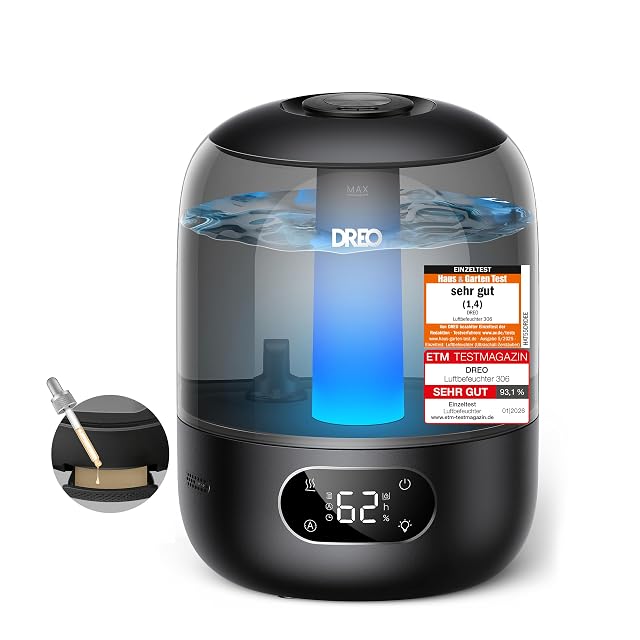
A humidifier producing less mist than it used to
Typically mineral scale on the ultrasonic disc, or a clogged wick on an evaporative model — see our guide to descaling for the fix. Genuine motor failure is much less common than a maintenance issue that looks like one.
A remote that’s stopped working, or gone missing
Doesn’t mean the appliance itself needs replacing. Universal and manufacturer-specific replacement remotes exist for most models on this site — check the compatible-model list against your exact unit before ordering one.
What we would not do
Replace an appliance the first time it seems to underperform. Across this site, the cheap, overlooked part — a filter, a hose, a scale buildup — is the actual cause far more often than a genuine failure of the appliance itself.
The questions that keep coming up
What's the most common cause of 'reduced performance' across this site?
A clogged filter, by a wide margin — on purifiers, dehumidifiers and portable air conditioners alike. It's cheap to check and cheap to fix, and it's the first thing worth ruling out before assuming an appliance has failed.
Is it worth repairing a cheap appliance, or just replacing it?
Often worth repairing — a €15 filter or a €20 hose is a small fraction of even an entry-priced appliance's cost. The calculation changes only if the part itself is hard to source or costs a large share of a new unit's price.
Last reviewed 24 August 2026