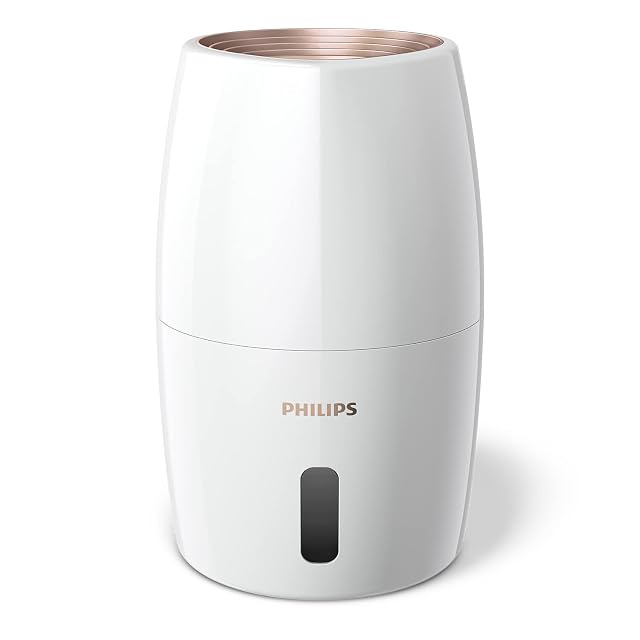
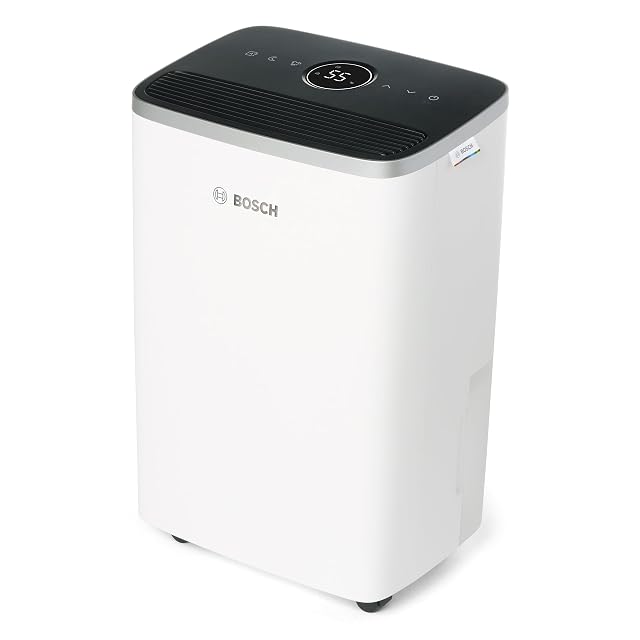
Empty tanks fully, don’t just top them up
Standing water left in a tank between uses is stagnant, warm, and exactly the environment mold and bacteria need. Emptying and rinsing a tank between uses, rather than continuously topping it up, is a small habit that meaningfully extends both hygiene and mechanism life.
Descale on a schedule, not when output visibly drops
By the time reduced mist or extraction is noticeable, scale has typically been building for a while. A brief monthly check in a hard-water area catches the problem before it affects performance, rather than after.
Replace washable filters before they’re visibly filthy
A dehumidifier’s intake filter, if washable, costs nothing to clean but is easy to forget. Build it into the same schedule as tank cleaning rather than treating it as a separate, occasional task.
Store correctly between seasons
An appliance boxed away damp, or with standing water left in the tank, is far more likely to develop mold, odor or corrosion than one dried out and cleaned first. See our guide to seasonal cleaning for the full routine.
What we would not do
Wait for a clear failure before doing any maintenance. Both humidifiers and dehumidifiers decline gradually rather than breaking suddenly — the appliances that last longest on this site are the ones kept on a simple, regular cleaning routine from the start, not the most expensive ones.
The questions that keep coming up
Is it bad to run a humidifier or dehumidifier continuously?
Not inherently — both are designed for regular use. What matters more is emptying and cleaning tanks on a regular schedule rather than letting either run unattended for weeks without any maintenance.
Does the water source matter for long-term appliance health, not just mineral dust?
Yes. Hard water accelerates scale buildup inside the mechanism itself, not just on visible surfaces, which can shorten a humidifier's working life. In a hard-water area, a descaling cartridge or periodic descaling routine protects the appliance, not just your furniture.
Last reviewed 24 August 2026