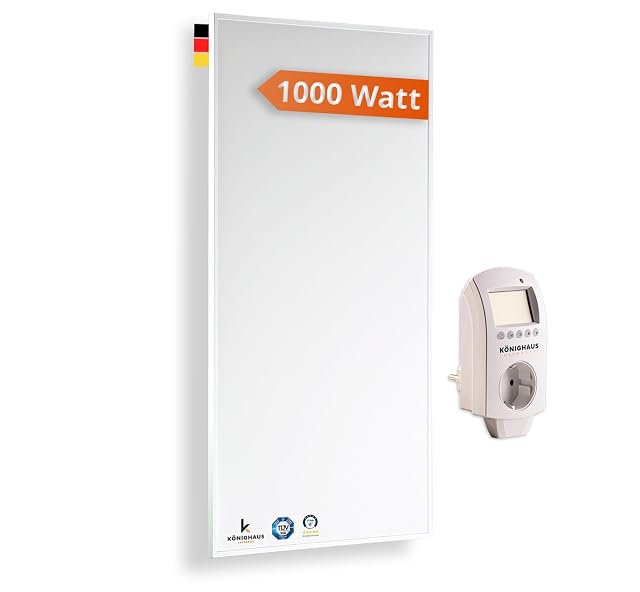
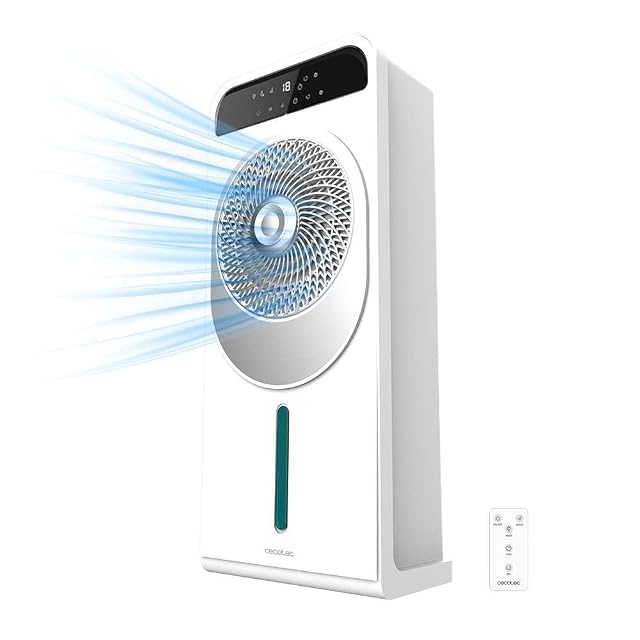
Dry it out completely first
Any appliance with a water tank or pad needs to run dry or be manually dried before storage — see our seasonal cleaning guide for the full routine. This single step prevents more off-season damage than any other.
Choose a stable, dry location
A damp garage, shed or attic with wide temperature swings is harder on electronics, seals and coatings than an indoor cupboard. Where possible, store appliances somewhere climate-stable rather than wherever there’s simply space.
Coil cables loosely, not tightly
Tightly wound cables develop stress fractures in the insulation over months in storage, which can become a safety issue over several seasons. A loose coil, secured gently, avoids this.
Original packaging protects better than improvisation
Where kept, original boxes and foam inserts are sized for the specific unit and genuinely reduce damage risk during a move or long storage period, compared to a generic box or bag.
What we would not do
Assume an appliance that worked fine when put away will definitely work fine when it comes back out. A quick test run at the start of the season it’s needed again — rather than the first time it’s actually relied upon — catches any storage-related issues while there’s still time to address them.
The questions that keep coming up
Should heaters and coolers be stored in a garage or attic?
Only if that space is genuinely dry and temperature-stable. Damp garages and attics with wide temperature swings are harder on electronics and seals than a dry cupboard indoors — location matters as much as whether the appliance itself is clean.
Is it worth keeping original packaging for storage?
Where practical, yes — original boxes are usually sized and padded correctly for the specific unit, which protects it better than a generic container during a move or a long period in storage.
Last reviewed 24 August 2026