Check the ceiling fixing before anything else
A ceiling fan’s box or bracket needs to support real, moving weight — not just a static light fitting’s load. If replacing a light fixture rather than installing into a purpose-built ceiling fan box, confirm the existing fixing is rated for it before mounting anything.
Standard mounting needs real clearance
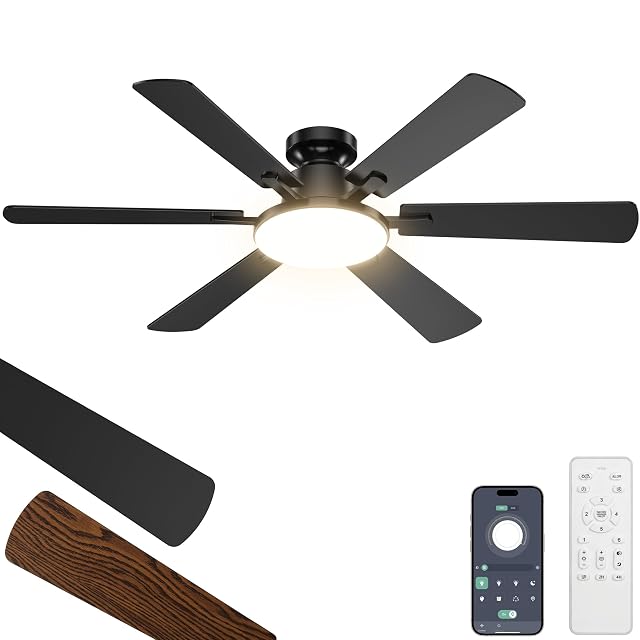
Manufacturers typically specify around 2.3 m (8 ft) of clearance from the floor to the blades for comfort and safety with a standard downrod mount. A low ceiling needs a flush or “hugger” mount instead — a different product, not just a shorter rod, and not every blade span in this family is available in that configuration.
Use the reversible motor on purpose
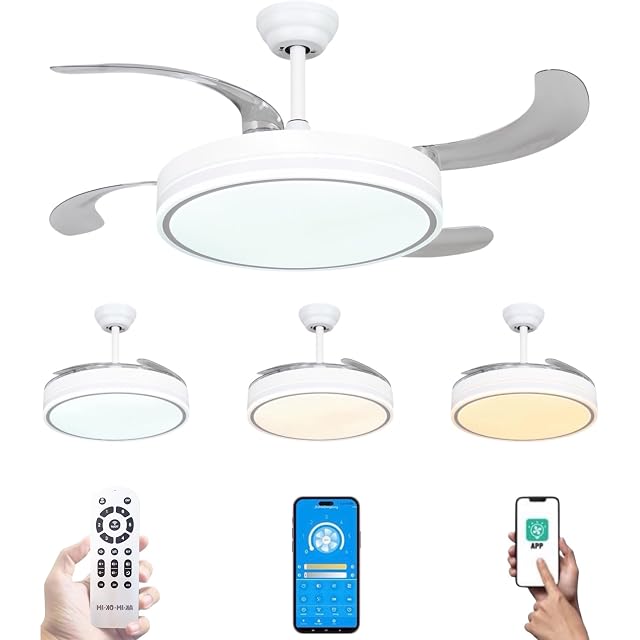
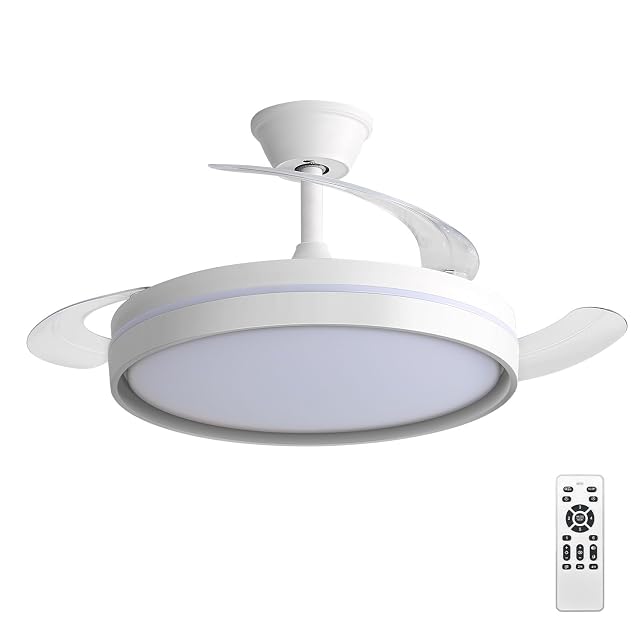
If the fan reverses, as the EXTRASTAR and ROTTOGOON in this family do, use the winter setting deliberately once heating season starts — it’s a genuine, free way to redistribute warm air that’s collected near the ceiling, rather than a feature to ignore after installation.
Balance it before blaming the motor
A wobble or a rattle after installation is very often a balance issue — a warped blade, an unevenly tightened bracket, or dust unevenly distributed across the blades — rather than a fault with the motor. Check level and tightness before assuming the unit itself is defective.
What we would not do
Install the largest blade span available for a small room “to be safe.” A fan sized for a room larger than the one it’s in moves air in an oversized, sometimes uncomfortably strong column — matching span to room size, not maximizing it, is what makes a ceiling fan comfortable to live under.
The questions that keep coming up
Can I install a ceiling fan myself?
Many people do, but it involves working with mains electrical wiring at height, supporting real weight from a ceiling fixing. If you're not confident with both, a qualified electrician is the safer choice — this site doesn't provide installation instructions beyond what the manufacturer publishes.
Which direction should the blades spin?
Manufacturers of reversible fans, like the EXTRASTAR IT-OMFSD-2003, state a summer direction (blades push air down, felt as a breeze) and a winter direction (blades draw air up, gently recirculating warm air trapped near the ceiling). Check your specific model's switch or app setting for which is which.
Last reviewed 24 August 2026