Floor area is a proxy, not the real measurement
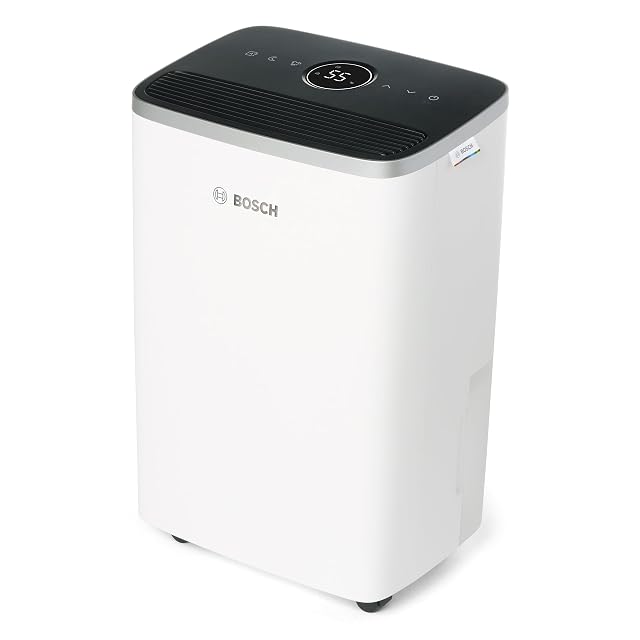
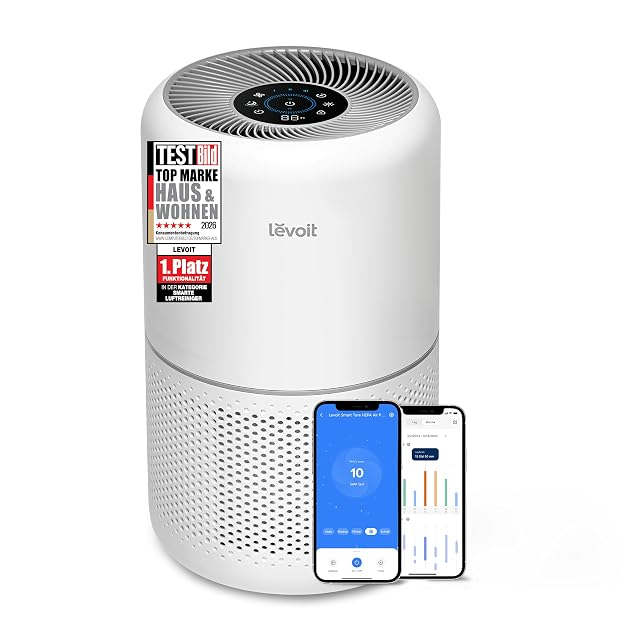
Every m² rating on this site — a purifier’s coverage, a dehumidifier’s room size, an air conditioner’s BTU guidance — is really a proxy for air volume, measured or assumed under a standard ceiling height the manufacturer rarely states.
High ceilings need more capacity than the label suggests
A period property or a converted space with a 3 m (10 ft)-plus ceiling holds meaningfully more air than the standard height most m² ratings assume. Size up from the stated rating rather than trusting the floor-area figure alone.
Open-plan spaces resist a single number
A kitchen-diner-living area with no walls between sections behaves as one large volume, not as separate rooms each meeting a modest m² rating. An appliance sized for one “room” within an open-plan space will underperform compared to the same rating in an actually enclosed room.
Don’t forget what’s already in the room
Furniture, especially large pieces, displaces some air volume, and a room full of soft furnishings absorbs sound and humidity differently than an empty one. These are second-order effects, but they matter more in a small room than a large one.
What we would not do
Size purely by floor area when a room has an unusual shape or height. A long, narrow room and a square room of the same m² don’t necessarily perform the same with a given appliance — airflow patterns matter, not just the raw area figure.
The questions that keep coming up
How do I estimate my room's actual volume?
Multiply floor area by ceiling height for a rough air volume in m³. A 20 m (66 ft)² room with a 2.4 m (8 ft) ceiling holds about 48 m (157 ft)³; the same floor area with a 3 m (10 ft) ceiling holds 60 m (197 ft)³ — a quarter more air for an identical m² rating on the box.
Do open-plan spaces need special consideration?
Yes — an appliance rated for a 25 m (82 ft)² closed room won't perform the same in a 25 m (82 ft)² section of an open-plan space with no walls to contain its effect. Treat open-plan areas as larger than their nominal floor area for sizing purposes.
Last reviewed 24 August 2026