Favor plug-in over fitted
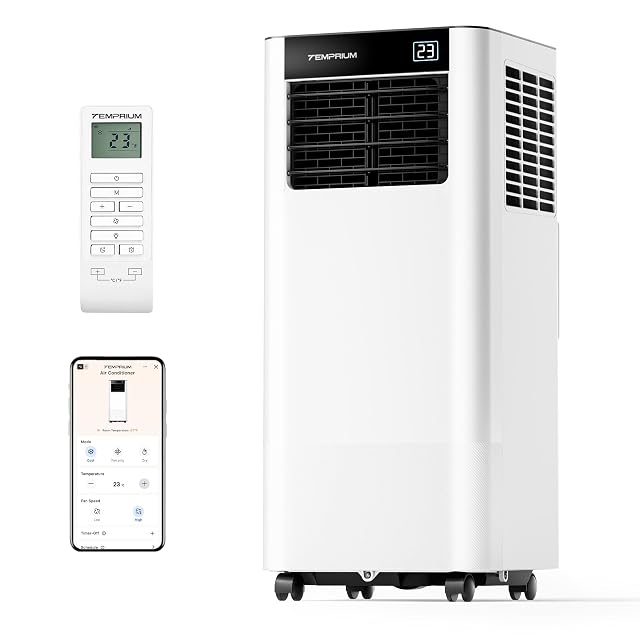
Portable air conditioners, standalone fans and humidifiers need nothing drilled or wired — they move with you. Ceiling fans and built-in electric fireplace inserts sit at the other end: real installation, and a genuine hassle to remove and reinstall elsewhere.
Battery and low-footprint options travel well
A foldable, battery-powered fan like the LIPETY F9 suits a room that changes use, or a move between flats, better than a fixed pedestal unit. The same logic favors smaller, simpler humidifiers and dehumidifiers over larger units built around a fixed spot.
Check your tenancy agreement before anything permanent
Even a “simple” ceiling fan installation typically involves replacing a light fixture and working with the property’s wiring — confirm what your tenancy allows before buying anything that isn’t a plug-in appliance.
Resale and portability go together
A well-specified, portable appliance on this site tends to hold resale value better than a fitted one, since the next buyer doesn’t need to remove and patch anything to take it. Keep the box and manual if reselling is a realistic possibility.
What we would not do
Buy the cheapest available option assuming you’ll upgrade “once you’re settled.” A well-chosen portable unit bought once, sized correctly for the room, is usually better value than a cheap stopgap replaced within a year — the appliances on this site are built to last multiple house moves, not just one season.
The questions that keep coming up
Can I take a portable air conditioner with me when I move?
Generally yes — portable units plug in and vent through a temporary window kit rather than a permanent installation, unlike a window/monobloc unit or a ceiling fan. That portability is a real advantage for anyone renting or moving within a few years.
Are window air conditioners a bad choice for renters?
Often, yes, unless the landlord explicitly permits a fixed installation — most window units in this family are built around a semi-permanent fit, and several of the ones we've reviewed also run on North American electrical specifications, adding a further complication.
Last reviewed 24 August 2026