Buy for the secondary spec, not the headline one
A BTU rating, a liters-per-day figure, or a wattage number is what gets printed largest — but noise at the setting you’ll actually use, a stated reference condition, or a numeric control versus a named mode are usually what decide whether living with the appliance is pleasant.
Pay for precision where you’ll use it daily
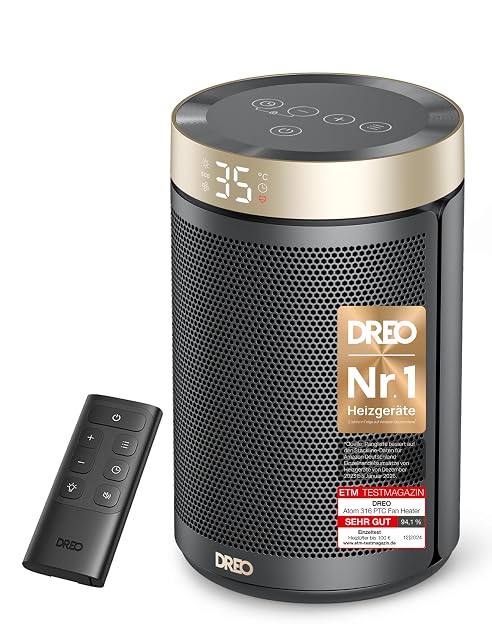
The Dreo Atom 316’s numeric 5–35 °C (41 to 95 °F) thermostat costs more than a basic mechanical dial, and it’s worth it specifically if you want to set and hold a precise temperature every day. If a rough setting is fine, that premium buys less real value.
Don’t pay for coverage you don’t need
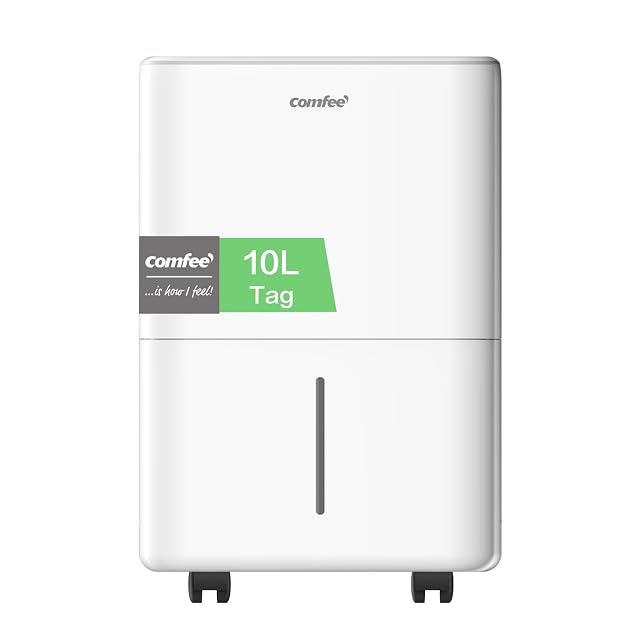
A dehumidifier rated for 33 m (108 ft)² costs more than one rated for 20 m (66 ft)², and that premium is wasted on a small room. Size the purchase to the actual room first, then compare prices within that capacity tier rather than defaulting to the biggest number available.
Factor in consumables from day one
Filters, cartridges and hoses are recurring costs, not one-off purchases. A slightly pricier appliance with cheap, widely stocked replacement filters can cost less over three years than a cheaper one whose parts are hard to find.
What we would not do
Treat the most expensive option in a family as automatically the best. Several of the most useful appliances on this site — a €15 thermo-hygrometer, a €37 dehumidifier sized correctly — are among the cheapest things we’ve reviewed, and they solve real problems precisely because they weren’t over-bought.
Prices quoted in this text were read on 2026-08-24. The live price is at the top of the page.
The questions that keep coming up
Should I always buy the model with the most published specifications?
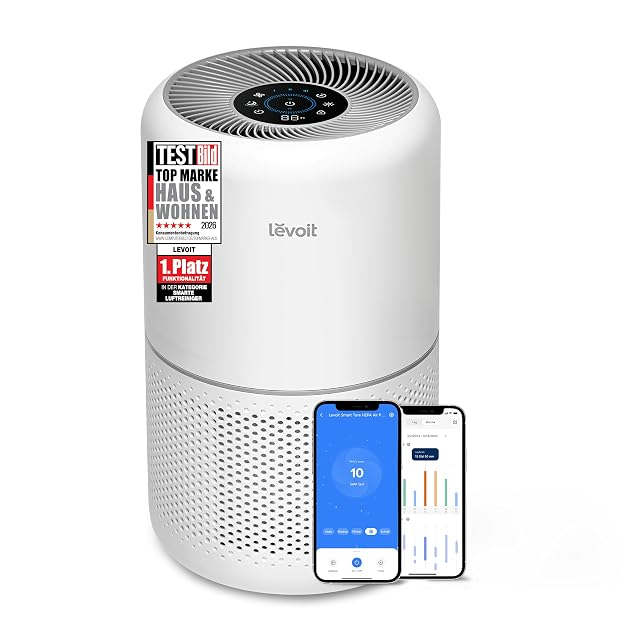
It's a reasonable tiebreaker, not a rule. A brand that publishes less detail — like Dyson's purifier, which omits CADR — can still be the right choice for a specific priority, such as its combined fan function. Missing specs are a flag to investigate, not an automatic disqualifier.
Is the cheapest option in a family ever the right buy?
Often, yes, for a correctly-sized job — a 300 ml/24h dehumidifier is the right, cheap answer for a wardrobe, not a compromise. The mistake is buying the cheapest option for a job it was never sized for.
Last reviewed 24 August 2026