Give a purifier room to breathe
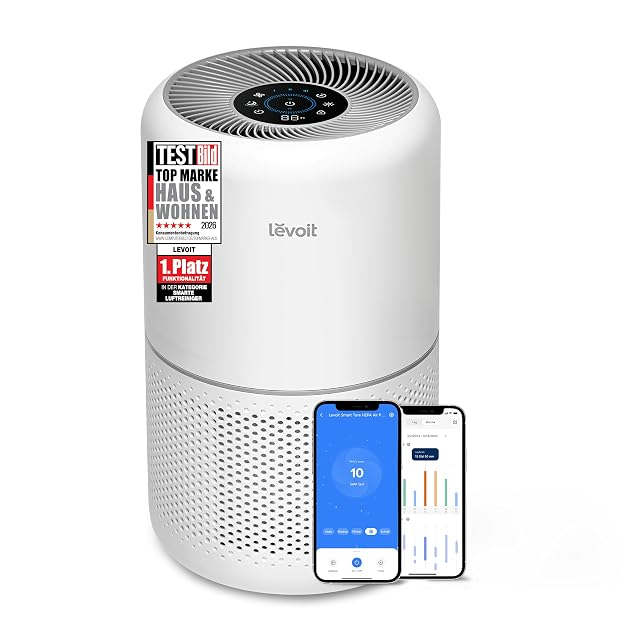
An air purifier draws air in on one or more sides and expels filtered air from another. Pushed against a wall or crammed into a corner, that intake and output path is restricted, which reduces the unit’s effective CADR below its rated figure — even though nothing about the machine itself has changed.
Aim a fan at where you’ll actually be
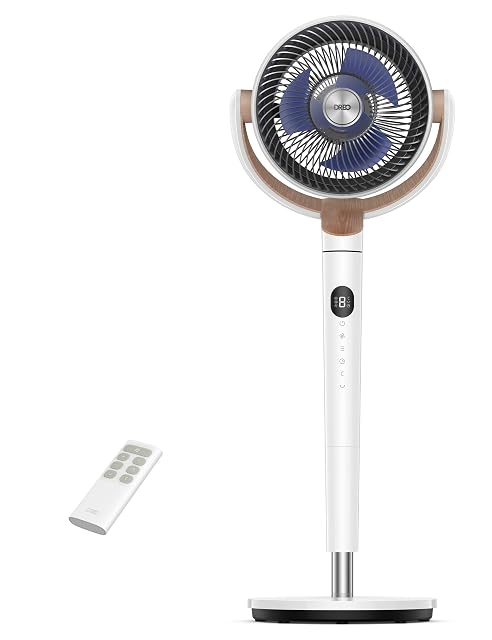
A fan cools by moving air across skin, not by lowering room temperature. The DREO DR-HPF002’s dual-axis oscillation covers more of a room’s vertical and horizontal space than a single-axis sweep, but it still needs to be aimed at where someone will actually sit or sleep to be felt.
Height matters more than it looks
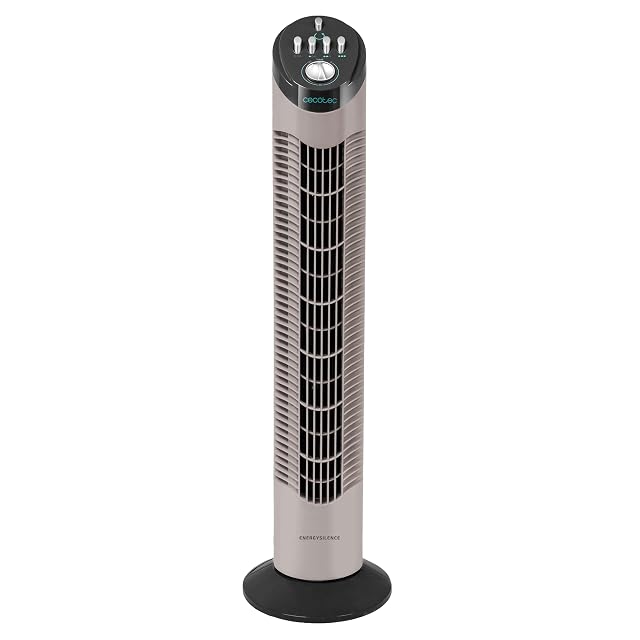
Warm air rises, so a fan or purifier placed low in a room interacts with cooler, denser air first. For general air circulation, a slightly elevated position — on a stand or shelf rather than the floor — often moves air more effectively through the whole room rather than just along the ground.
Don’t fight a doorway
Placing a fan or purifier directly in a busy doorway or hallway means much of its output escapes the room entirely rather than circulating within it. A position that keeps airflow contained to the room you’re actually trying to affect is usually more effective than one that looks central on a floor plan.
What we would not do
Assume the highest setting compensates for bad placement. A fan or purifier working against its own airflow path — blocked, cornered, or aimed at an empty part of the room — performs worse at full power than a well-placed unit does on a lower one.
The questions that keep coming up
Should a purifier go in a corner or in the open?
In the open, generally, and away from walls or furniture that block intake or output. A purifier pushed into a corner draws and expels air less freely, which reduces its effective clearing speed regardless of its rated CADR.
Does a fan cool a room, or just the person in front of it?
Mainly the person, or the area directly in its airflow path. A fan moves air rather than lowering the room's actual temperature, so placement relative to where you'll actually be sitting or sleeping matters more than centering it in the room.
Last reviewed 24 August 2026